In August 2025, while serving on our Project Nido medical mission in Ecuador, life took an unexpected turn. I was no longer the one caring for patients. I had become one.
We often hear that medical professionals make the worst patients, and I was no exception. I wasn’t just a difficult patient; I was a critically ill one. And the hardest part was knowing it. I nearly died multiple times.
It was surreal to find myself on the other side of the medical notepad. As a physician assistant, I’ve spent years assessing symptoms, making decisions, and comforting others. But this time, I was the one lying in the hospital bed, disoriented, frightened, and unsure what would happen next.
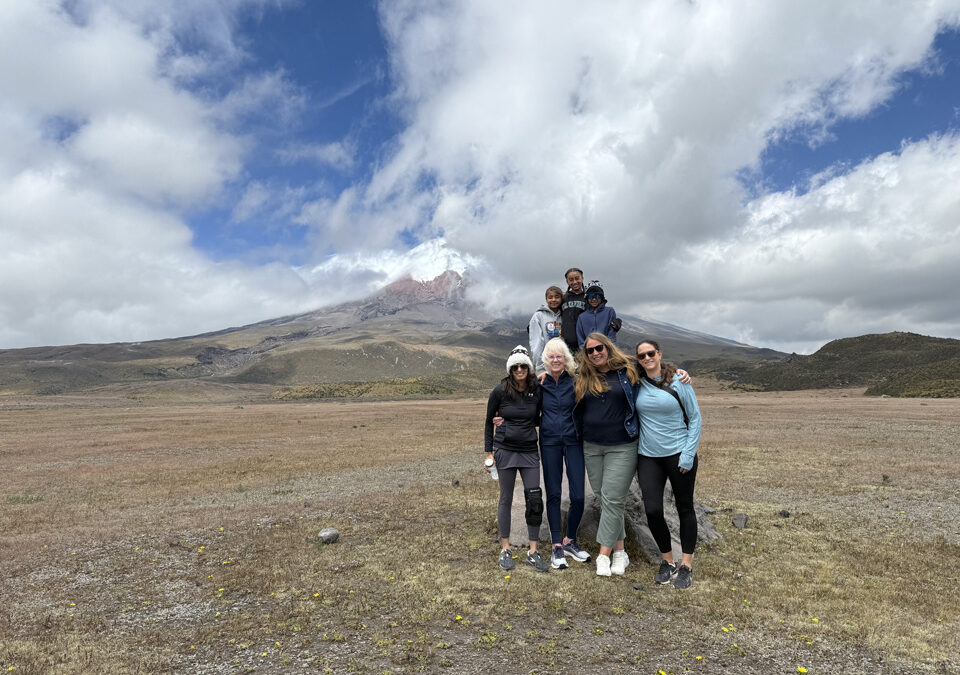
Since 2017, I’ve traveled to Ecuador each year to serve on Project Nido, a collaboration between Nested and FIBUSPAM Hospital that brings free medical and dental care to underserved communities. But this year was different. Instead of working alongside the FIBUSPAM team as a clinician, I was their patient, cared for by the very same ICU nurses and doctors I had once stood beside.
During the trip, I developed severe abdominal pain that required emergency surgery. My condition quickly became complicated by sepsis, DIC, and liver and kidney failure. I was medically evacuated to Miami, where I spent three weeks in a coma, followed by two more months recovering at hospitals in Miami and Virginia.
My work in Ecuador has always centered on women’s health, particularly cervical cancer screening and treatment, so I have had the privilege of working closely with many of the FIBUSPAM staff over the years. To experience their compassion from the other side of the bedrail was profoundly moving. Their care went far beyond clinical treatment—twenty-four-hour bedside nursing, whispered prayers, fresh flowers, and even homemade meals brought to my bedside. Their kindness was healing in ways that medicine alone could never be.
Now home, I’m focused on recovery with the help of my family and friends. Throughout this ordeal, I have felt the prayers, well wishes, and support of so many. It has felt like a hammock beneath me, holding me up when I couldn’t stand on my own. I am deeply grateful to be alive, but this journey has been humbling. I’ve had to relearn how to do the most basic things. With my therapists, I’m learning to eat, swallow, walk, and even speak again, after my vocal cords were damaged during intubation.
As planning begins for Project Nido 2026, I find myself on a very different kind of mission: a journey of healing. My next project is learning to rebuild physically, emotionally, and spiritually.
I’ve started documenting my small daily “wins” and sharing them with those who helped me get here—friends, family, colleagues, and the medical teams who stood by me through every uncertain moment.
For the next few months, before I return to Ecuador, my focus isn’t on helping others. It’s on learning how to heal myself.